Lab Interpretation
GI-MAP Interpretation Guide — Complete FM Practitioner Reference
The complete guide to interpreting GI-MAP results — bacterial pathogens, H. pylori virulence factors, parasites, fungi, dysbiosis markers, immune signals, and clinical decision-making frameworks for FM practitioners.
GI-MAP Interpretation Guide — Complete FM Practitioner Reference
Direct answer: GI-MAP interpretation reviews a qPCR stool report with the patient's symptoms, history, and other test results. A blinded 2020 comparison found 80% sensitivity and 26% specificity for GI-MAP pathogen detection, with many false-positive results GI-MAP study. Clinicians should confirm important findings before they start antimicrobial or antiparasitic treatment GI-MAP study.
The complete clinical reference for FM practitioners — from bacterial pathogens and H. pylori virulence factors to fungi, parasites, dysbiosis markers, immune signals, and how to build a treatment plan from a single report.
Bookmark this page. If you order GI-MAP tests in your functional medicine practice, this is the guide you'll come back to every time.
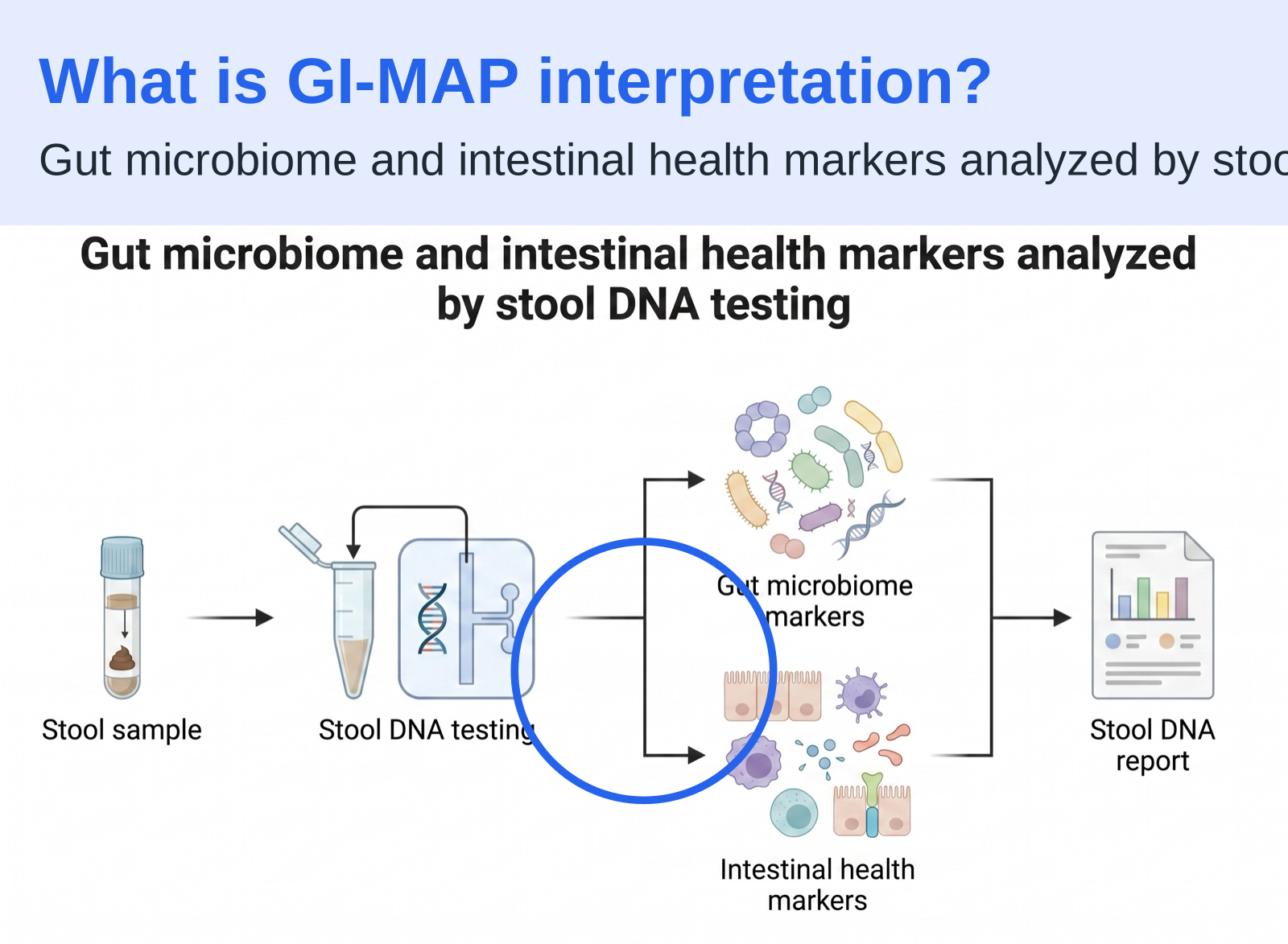
The GI-MAP (Gastrointestinal Microbial Assay Plus) uses quantitative PCR — the same DNA amplification technology used in hospital microbiology labs — to detect and quantify pathogens, opportunistic organisms, commensals, fungi, parasites, and functional gut markers from a single stool sample. It is not a culture. It is not 16S rRNA sequencing. It is targeted, quantitative, and clinically actionable in a way that standard stool panels simply are not.
This guide walks through every section of the GI-MAP report in clinical priority order: what each marker means, how to interpret high and low findings, what they imply for treatment, and how each section connects to the others.
→ Lab Interpretation Hub — for the full suite of lab guides across all testing platforms used in functional medicine.
Table of Contents
- What the GI-MAP Measures — and Why qPCR Matters
- How to Read a GI-MAP Report: Priority Order vs. Report Order
- Section 1: Bacterial Pathogens — The Red Flags
- Section 2: H. pylori and Virulence Factors
- Section 3: Parasites — Protozoa and Worms
- Section 4: Fungi and Yeast — Candida and Beyond
- Section 5: Opportunistic Bacteria and Dysbiosis Patterns
- Section 6: Normal Flora and Keystone Bacteria
- Section 7: Dysbiosis Markers — Beta-Glucuronidase and SCFA
- Section 8: Immune Markers — SIgA, Calprotectin, Lactoferrin, Anti-gliadin sIgA
- Section 9: Digestive and Absorption Markers
- Reading the Full Picture: 6 Clinical Patterns
- Case Studies: GI-MAP in Practice
- Clinical Decision Framework: Treatment Sequencing
- FAQ

1. What the GI-MAP Measures — and Why qPCR Matters {#1-what-the-gi-map-measures}
The GI-MAP tests for over 70 organisms and functional markers using quantitative polymerase chain reaction (qPCR). This distinction from standard culture-based stool panels is not a minor technical detail — it fundamentally changes what you can detect, how sensitively you can detect it, and what you can do with the result.
qPCR vs. Standard Culture: The Clinical Gap
| Feature | Standard Stool Culture | GI-MAP (qPCR) |
|---|---|---|
| Organisms detected | 2–4 common pathogens | 70+ specific targets |
| Anaerobe detection | Poor (die in transit) | Excellent (DNA stable) |
| Quantitative results | No — present/absent | Yes — exact DNA copies/g |
| Sensitivity for H. pylori | ~60–70% | ~95–100% |
| Sensitivity for Giardia | Variable (requires O&P) | ~95%+ |
| Organism viability required | Yes | No — detects DNA |
The key clinical implication: a negative standard stool culture does not rule out the organisms GI-MAP is designed to find. Many FM patients arrive with "negative" conventional labs because the methodology was never designed to detect what you're actually looking for.
What GI-MAP Does Not Measure
Before ordering, it's worth knowing the gaps:
- Live culture susceptibility testing — Genova GI Effects includes this; GI-MAP does not. If you need to know which specific antimicrobial will work against a pathogen, GI Effects or a susceptibility add-on may be needed.
- 16S rRNA microbiome diversity profiling — GI-MAP targets 70+ known organisms but does not give you the broad ecological picture that metagenomics provides.
- Direct SCFA measurement — GI-MAP estimates SCFA-producing capacity via marker organisms; GI Effects includes a direct SCFA panel.
- Blood markers — All stool-based.
See also: GI-MAP vs. Stool Test: Which Is Better? — a full head-to-head comparison of methodologies and when to use each.
2. How to Read a GI-MAP Report: Priority Order vs. Report Order {#2-how-to-read-a-gi-map-report}
The GI-MAP report is laid out roughly in discovery order — pathogens first, then commensals, then functional markers at the end. That is not the optimal clinical reading order.
Clinical Priority Framework
Tier 1 — Act Immediately (read first):
- Bacterial pathogens (Shiga toxin-producing E. coli, Salmonella, Campylobacter, C. difficile)
- H. pylori with virulence factors (VacA, CagA, DupA, OipA)
- Calprotectin — the severity signal for active intestinal inflammation
- Parasites (Cryptosporidium, Giardia, Entamoeba histolytica)
Tier 2 — Inform the Treatment Plan:
- Opportunistic bacteria (Enterococcus faecalis, Klebsiella, Morganella, Pseudomonas)
- Fungi and yeast (Candida species, Geotrichum)
- SIgA — frames immune competence across the entire report
- Beta-glucuronidase — estrogen, detox, and hormonal downstream implications
Tier 3 — Complete the Clinical Picture:
- Keystone and beneficial bacteria (Akkermansia, Faecalibacterium prausnitzii, Lactobacillus, Bifidobacterium)
- Digestive and absorption markers (Elastase-1, fat staining, occult blood)
- Anti-gliadin sIgA — mucosal gluten reactivity signal
- Lactoferrin — confirms active vs. resolved inflammation
A patient with elevated calprotectin and multiple pathogens is a categorically different clinical problem than a patient with low SIgA and fungal overgrowth — even if both reports look equally "busy." Read Tier 1 first. Let it frame everything else.
See also: Reading Your GI-MAP Results: A Practical Step-by-Step Guide — detailed section-by-section walkthrough for practitioners new to the GI-MAP.
3. Section 1: Bacterial Pathogens — The Red Flags {#3-bacterial-pathogens}
The bacterial pathogen section tests for organisms capable of causing acute or chronic GI illness. In FM practice, these often present as chronic, low-grade dysfunction rather than classic acute infection — they don't always announce themselves.
Key Pathogens and Clinical Significance
Campylobacter — The most common foodborne bacterial pathogen in the U.S. and one of the most underdiagnosed in FM. Standard culture misses 30–40% of cases due to microaerobic growth requirements. Even low-level persistence can drive chronic mucosal inflammation and is a well-documented post-infectious IBS trigger, particularly IBS-D. When a patient has longstanding IBS-D and food reactivity and hasn't been tested with qPCR, Campylobacter belongs on the differential. [PMID 32905134]
C. difficile (Toxin A and Toxin B) — GI-MAP tests for toxin-producing genes, not just organism presence. Subacute or post-antibiotic C. diff can persist at low levels without the classic acute presentation. Toxin B (tcdB gene) is the primary virulence determinant; both channels are reported.
Shiga Toxin-producing E. coli (STEC) — Detection of stx1 or stx2 genes indicates a high-risk pathogen. Not all E. coli strains are pathogenic — GI-MAP specifically targets virulence genes. A positive STEC result requires clinical workup; hemolytic uremic syndrome (HUS) risk in vulnerable patients must be considered.
Enterotoxigenic E. coli (ETEC) — Classic traveler's diarrhea organism that can persist post-travel. Heat-labile (LT) and heat-stable (ST) toxin genes are reported individually.
Yersinia enterocolitica — Underdiagnosed in FM. Associated with reactive arthritis and thyroid autoimmunity via molecular mimicry with thyroid peroxidase. Worth pursuing when thyroid autoimmunity and gut symptoms coexist without a clear driver.
Interpreting Low-Level Detected Pathogens
A pathogen reading that falls below the highlighted reference range is not automatically insignificant. In clinical practice:
- Symptomatic patient + any detection → treat
- Asymptomatic + low-level detection → clinical judgment guided by immune markers, symptom history, and full report context
The GI-MAP's quantitative output means you can also use repeat testing to track treatment response — a particularly useful feature for pathogens like Campylobacter and C. diff where symptom resolution can lag behind microbial clearance.
4. Section 2: H. pylori and Virulence Factors {#4-h-pylori-and-virulence-factors}
H. pylori deserves its own section — and GI-MAP gives it one. The report doesn't just detect H. pylori; it reports virulence factor genes that determine how aggressive the infection is likely to be. This is the most clinically differentiated feature of the GI-MAP compared to any other stool or breath test.
H. pylori Virulence Factors on GI-MAP
| Virulence Gene | What It Does | Clinical Significance |
|---|---|---|
| VacA | Vacuolating cytotoxin; disrupts mitochondria and gastric cell vacuoles | All H. pylori carry VacA, but s1/m1 alleles are most toxic; associated with peptic ulcer and gastric cancer risk |
| CagA | Injected into gastric epithelium via type IV secretion system; disrupts cell signaling | The strongest virulence marker — CagA+ strains carry significantly higher peptic ulcer risk and elevated gastric cancer risk [PMID 28445260] |
| DupA | Promotes duodenal inflammation | Specifically associated with duodenal ulcer disease |
| OipA | Outer membrane protein; increases IL-8 secretion | Correlates with neutrophil infiltration; additive risk when present with CagA |
| IceA | Upregulated on contact with gastric mucosa | Associated with peptic ulcer; synergistic with CagA |
| BabA | Adhesin allowing H. pylori to bind Lewis b blood group antigen on gastric mucosa | Increases colonization density; higher tissue damage and ulcer risk |
Interpreting H. pylori Results
H. pylori positive + no virulence factors: Lower-risk infection. Eradication is still appropriate in symptomatic patients, but urgency is moderate.
H. pylori positive + CagA: Elevated priority. CagA-positive strains are significantly more likely to cause peptic ulcer disease and carry meaningful gastric cancer risk. Don't watch and wait with CagA-positive patients, even if currently asymptomatic. [PMID 28445260]
H. pylori positive + CagA + VacA + BabA: Highest-risk category. This combination is associated with the most aggressive mucosal damage profile. Prioritize eradication and consider GI referral for endoscopy based on age, symptoms, and family history.
H. pylori not detected: GI-MAP's qPCR sensitivity for H. pylori is ~95–100%. A negative result is meaningful — it substantially reduces probability of active infection. Consider serum H. pylori IgG if pre-test probability remains high despite negative PCR.
H. pylori eradication in the FM context requires more than a course of antibiotics. Stomach acid normalization, mucosal repair, and microbiome restoration after treatment are all necessary for durable results. The infection recurs in the same ecological niche if the underlying conditions that permitted it aren't addressed.
5. Section 3: Parasites — Protozoa and Worms {#5-parasites}
Cryptosporidium — Waterborne protozoan that survives chlorination. Acquired through municipal water, lakes, or travel. Can present as chronic diarrhea in patients who never had a clear acute episode. GI-MAP qPCR substantially outperforms standard O&P microscopy for detection.
Giardia — Classic traveler's diarrhea organism; also endemic in untreated water sources throughout the U.S. GI-MAP sensitivity (~95%) exceeds a single O&P examination (~60%). Post-Giardia IBS is well-documented — microbiome disruption and intestinal permeability changes persist for months after eradication.
Entamoeba histolytica — GI-MAP specifically distinguishes E. histolytica from the non-pathogenic Entamoeba dispar. Positive for histolytica requires treatment regardless of symptom severity; invasive amebiasis and liver abscess are serious sequelae.
Blastocystis hominis — The most debated GI-MAP finding. Some strains appear commensal; others are associated with IBS, urticaria, and eosinophilia. The pragmatic approach: treat in symptomatic patients with elevated loads; observe in truly asymptomatic patients with an otherwise clean report. Blastocystis at high load with GI symptoms and no other obvious driver → treat.
Dientamoeba fragilis — A flagellate frequently co-detected with Enterobius. Associated with diarrhea, bloating, abdominal pain, and fatigue. Chronically underdiagnosed on standard stool because it lacks a cyst form and degrades rapidly during transit — exactly the scenario where qPCR's DNA stability offers a major diagnostic advantage.
Key rule on parasites: Any detection of Cryptosporidium, Giardia, or Entamoeba histolytica warrants treatment, regardless of load. These are not commensals. The quantitative level matters for severity assessment, but not for the treat/don't-treat decision.
6. Section 4: Fungi and Yeast — Candida and Beyond {#6-fungi-and-yeast}
The GI-MAP fungal panel reports Candida species individually, plus a small number of additional fungal organisms. Fungal overgrowth is common in the FM population — and frequently overdiagnosed clinically without testing confirmation.
Candida Species on GI-MAP
| Species | Clinical Notes |
|---|---|
| C. albicans | Most common; biofilm-forming; oral, vaginal, and GI overgrowth |
| C. tropicalis | More resistant to azoles than C. albicans; higher invasive potential |
| C. glabrata | Intrinsically reduced azole sensitivity; common in older adults and diabetics |
| C. krusei | Intrinsically fluconazole-resistant; rarer but clinically relevant when present |
| C. parapsilosis | Common in immunocompromised; biofilm on mucosal surfaces |
Interpreting Fungal Findings
Low-level Candida detection + no symptoms: Candida is part of the normal gut mycobiome at low levels. Low detection alone is not an indication for treatment.
Elevated Candida + depleted Lactobacillus/Bifidobacterium + dysbiosis: This is the classic fungal overgrowth picture. A depleted bacterial microbiome has created the ecological vacuum that Candida fills. Treatment should address both the Candida and the underlying dysbiosis — killing Candida without restoring bacterial competitors leads to rapid recurrence.
Elevated Candida + recent antibiotic history + GI symptoms: Post-antibiotic overgrowth. Antifungal treatment plus aggressive microbiome restoration. Saccharomyces boulardii during treatment provides Candida-competitive resistance through the treatment period.
Multiple Candida species detected: More complex clinical picture; consider stronger antifungal approach, biofilm disruption agents, and longer treatment duration.
Other notable fungi: Geotrichum (associated with immunocompromised states; treat if detected) and Saccharomyces cerevisiae (baker's yeast; typically commensal, but elevated in Crohn's disease — anti-Saccharomyces antibodies are an established Crohn's marker).
7. Section 5: Opportunistic Bacteria and Dysbiosis Patterns {#7-opportunistic-bacteria-and-dysbiosis-patterns}
Opportunistic bacteria occupy the space between true commensals and true pathogens. They're normal gut residents at low levels that cause problems when they overgrow — typically when beneficial bacteria are depleted and the ecological competition they provide disappears.
Enterococcus faecalis — Commensal at low levels; elevated levels are associated with intestinal inflammation. E. faecalis produces extracellular superoxide that damages colonic DNA and can perpetuate colitis in susceptible hosts. Frequently elevated in post-antibiotic dysbiosis.
Klebsiella pneumoniae — A Proteobacteria phylum member associated with increased intestinal permeability when overgrown. Clinically relevant in ankylosing spondylitis workup: Klebsiella antigens cross-react with HLA-B27 via molecular mimicry. Elevated Klebsiella + elevated calprotectin = active intestinal inflammation, not just ecological imbalance.
Morganella morganii — A histamine-producing bacterium. Elevated Morganella is a direct gut-based driver of histamine intolerance. This is one of the most diagnostically valuable connections on the GI-MAP for patients presenting with mast cell activation symptoms, urticaria, or food histamine reactivity.
Proteus mirabilis — Urease-producing organism. Associated with rheumatoid arthritis via molecular mimicry (Proteus antigens cross-react with HLA-DR4). When gut testing and RA overlap in the same patient, Proteus deserves attention.
Pseudomonas aeruginosa — Biofilm-forming; significant levels in immunocompetent adults are uncommon. When present at elevated levels, it indicates a more medically complex situation.
Reading the Dysbiosis Pattern
Dysbiosis is not a single finding — it's a pattern across opportunistic bacteria, beneficial bacteria, and functional markers. In practice:
- Multiple elevated opportunistic bacteria + depleted commensals → broad dysbiosis; requires systematic rebalancing rather than targeting individual organisms
- Single organism elevated → targeted approach may suffice; check immune markers for severity
- Elevated opportunistic bacteria + low SIgA → immune defense is compromised; treatment will be slower and requires immune support concurrent with or before antimicrobials
See also: GI-MAP Dysbiosis Treatment: The 5R Protocol and Clinical Approach — full treatment framework for dysbiosis patterns, stealth pathogens, and beta-glucuronidase elevation.
8. Section 6: Normal Flora and Keystone Bacteria {#8-normal-flora-and-keystone-bacteria}
The beneficial bacteria section captures the organisms whose abundance is associated with gut barrier integrity, immune regulation, and SCFA production. Two markers deserve particular clinical attention.
Akkermansia muciniphila — Lives in the mucus layer; degrades mucin as its carbon source, which paradoxically maintains the integrity of the mucus layer by driving constant renewal. Low Akkermansia = thinning mucus layer = increased intestinal permeability. [PMID 23671105] Considered the most clinically important keystone organism for gut barrier integrity on the GI-MAP. Currently supplementable via specific fermented foods and postbiotic formulations; supported via prebiotic substrates (pectin, inulin).
Faecalibacterium prausnitzii — Major butyrate producer and one of the most anti-inflammatory organisms in the human gut. F. prausnitzii metabolites directly inhibit NF-κB signaling in intestinal epithelial cells. [PMID 26045134] Depleted across IBD, IBS, colorectal cancer, type 2 diabetes, and obesity. Not supplementable as a standalone probiotic (extremely oxygen-sensitive); supported via resistant starch (green banana, cooked/cooled potato), pectin, and inulin.
Lactobacillus species — Colonization resistance against pathogens via lactic acid production and competitive exclusion. Critical for vaginal and urogenital health in women. Most directly replenishable via probiotic supplementation. Depleted by antibiotics, high-sugar diet, and chronic stress.
Bifidobacterium species — Critical for gut barrier and immune regulation throughout life; particularly important in aging populations where natural abundance declines. Bifidogenic substrates (inulin/FOS) support colonization; direct supplementation is well-supported by clinical evidence.
9. Section 7: Dysbiosis Markers — Beta-Glucuronidase and SCFA {#9-beta-glucuronidase-and-scfa}
This section captures functional output of the microbiome — not just who is present, but what the organisms are doing.
Beta-Glucuronidase and the Estrobolome
Beta-glucuronidase (β-glucuronidase) is produced by specific gut bacteria (Bacteroides, Firmicutes, Clostridiales, among others) and deconjugates glucuronide-bound compounds in the intestinal lumen.
The liver conjugates estrogens before excreting them in bile, rendering them inactive for elimination. In the intestine, β-glucuronidase removes that glucuronic acid tag — reactivating the estrogen, which is then reabsorbed into circulation. This cycle is called the estrobolome. [PMID 41707838] When β-glucuronidase is elevated:
- More estrogen is deconjugated and reabsorbed
- Total body estrogen burden increases without increased ovarian production
- Liver Phase II detoxification demand increases
- Downstream: estrogen dominance symptoms, PMS exacerbation, fibrocystic breast tissue, endometriosis risk
β-glucuronidase also deconjugates environmental toxins (bisphenol A, pesticide metabolites, PAHs) and pharmaceutical drugs undergoing enterohepatic recirculation — making it relevant far beyond just hormonal contexts.
| Level | Clinical Interpretation |
|---|---|
| Low-normal | Healthy enterohepatic regulation |
| Borderline elevated | Monitor; consider dietary changes (high-fat/low-fiber diets raise β-glucuronidase) |
| Elevated | Active estrogen recirculation; correlate with DUTCH if hormonal symptoms present |
| Markedly elevated | Significant dysbiosis component driving enzyme overproduction; treat dysbiosis alongside direct support |
Treatment for elevated β-glucuronidase: Address the Firmicutes-heavy dysbiosis driving overproduction. Calcium-D-glucarate (500–1,000 mg/day) competitively inhibits the enzyme. High-fiber, low-animal-fat diet reduces the bacterial populations responsible. Lactobacillus acidophilus and specific Bifidobacterium strains directly downregulate β-glucuronidase activity.
Short-Chain Fatty Acids — Estimated Production Capacity
GI-MAP doesn't directly measure SCFA concentrations (Genova GI Effects does). Instead, SCFA-producing capacity is estimated from the abundance of key producer organisms.
| SCFA | Primary Producers | Key Functions |
|---|---|---|
| Butyrate | F. prausnitzii, Roseburia, Clostridium butyricum | Colonocyte fuel; tight junction maintenance; anti-inflammatory; anti-carcinogenic in colon |
| Propionate | Bacteroides, Akkermansia, Ruminococcus | Gluconeogenesis substrate; appetite regulation; cholesterol metabolism |
| Acetate | Bifidobacterium, most anaerobes | Most abundant SCFA; systemic energy substrate; crosses BBB; modulates neuroinflammation |
Low SCFA production capacity correlates with depleted F. prausnitzii, Akkermansia, and Ruminococcus — and downstream with increased intestinal permeability, poor blood sugar regulation, and impaired colonocyte health. Direct butyrate supplementation (sodium butyrate, tributyrin) is appropriate when producer organisms are severely depleted and dietary intervention alone isn't sufficient.
10. Section 8: Immune Markers — SIgA, Calprotectin, Lactoferrin, Anti-gliadin sIgA {#10-immune-markers}
The immune section is the severity and urgency signal of the GI-MAP. These markers tell you not just what organisms are present, but how the gut immune system is responding to them.
Secretory IgA (SIgA)
SIgA is the primary immunoglobulin of the gut mucosal immune system. It coats pathogens, prevents mucosal adhesion, and neutralizes toxins without triggering inflammatory cascades — immune exclusion rather than immune activation.
Low SIgA is the most common finding in FM patients. It means the gut is underprotected. Infections will be harder to clear; dysbiosis will persist longer; treatment response will be slower. Causes include chronic psychological stress (cortisol directly suppresses SIgA secretion), poor sleep, overtraining, caloric restriction, and chronic infection.
This single finding reframes the entire report. When SIgA is low, immune restoration belongs in the protocol before aggressive antimicrobials — not as a separate phase that happens later.
Elevated SIgA indicates active immune response: the gut is fighting something. Typically correlates with elevated pathogen loads, active parasitic infection, or ongoing food antigen exposure.
Calprotectin
Calprotectin is released by neutrophils during intestinal mucosal activation. It is the gold-standard stool marker for intestinal inflammation.
| Calprotectin Level | Interpretation |
|---|---|
| < 50 µg/g | Normal — significant intestinal inflammation unlikely |
| 50–200 µg/g | Mildly elevated — warrants follow-up; possible functional inflammation |
| > 200 µg/g | Significantly elevated — investigate for IBD, infection, mucosal injury |
| > 1,000 µg/g | Active IBD flare or significant mucosal pathology; gastroenterology referral warranted |
Calprotectin is the key triage marker on the GI-MAP. Elevated calprotectin + elevated pathogen/opportunistic bacteria = active disease requiring intervention. Normal calprotectin + dysbiosis = functional/ecological imbalance with less urgency — different treatment timelines, different expectations for symptom resolution.
Lactoferrin
Lactoferrin is released by neutrophils and epithelial cells during mucosal inflammation. Less sensitive than calprotectin for IBD monitoring, but a useful confirmatory marker. Elevated lactoferrin with elevated calprotectin is a strong signal for active IBD or severe infection.
Anti-gliadin sIgA
This is not the same as celiac serologies (anti-tTG IgA, anti-DGP IgA). Anti-gliadin sIgA reflects non-celiac gluten reactivity — a mucosal immune response to gliadin proteins that doesn't require autoimmune activation of the celiac pathway.
Elevated anti-gliadin sIgA in a patient consuming gluten = mucosal immune activation to gluten, independent of celiac disease status. Clinical trial of strict gluten elimination (8–12 weeks) to assess symptom response is appropriate after ruling out celiac disease with serum tTG IgA.
11. Section 9: Digestive and Absorption Markers {#11-digestive-and-absorption-markers}
Pancreatic Elastase-1 (PE-1) is the primary non-invasive marker for exocrine pancreatic insufficiency (EPI). It's produced by the pancreas and excreted intact in stool.
| PE-1 Level | Interpretation |
|---|---|
| > 200 µg/g | Normal exocrine function |
| 100–200 µg/g | Mild-to-moderate EPI; correlate with symptoms |
| < 100 µg/g | Severe EPI; enzyme replacement indicated |
In the FM context, low PE-1 is often seen post-SIBO, in low-stomach-acid patients, and following significant gut insult. Low PE-1 + elevated fecal fat + malabsorptive symptoms = full EPI picture; digestive enzyme replacement is essential before other interventions will be effective.
Steatocrit/fecal fat — elevated fat indicates fat malabsorption due to inadequate lipase output (EPI), bile acid insufficiency, or significant mucosal malabsorption (celiac, SIBO).
Occult blood — Positive occult blood warrants follow-up with colonoscopy recommendation, particularly in patients 45+ or with elevated calprotectin.
12. Reading the Full Picture: 6 Clinical Patterns {#12-reading-the-full-picture}
The clinical power of the GI-MAP is in cross-section pattern recognition. The following six patterns cover the majority of what you'll see in FM practice.
Pattern 1: Active Infection with Intact Immune Response
Markers: Pathogen(s) detected at moderate-to-high level + elevated calprotectin + normal or elevated SIgA
Picture: The gut immune system is actively fighting a real infection. This is the highest-urgency pattern on the GI-MAP.
Approach: Target the pathogen first. Use calprotectin to track treatment response (retest at 8–12 weeks). The elevated SIgA means the immune system has enough reserve to mount a fight — work with it.
Pattern 2: Dysbiosis with Immune Exhaustion
Markers: Elevated opportunistic bacteria + depleted beneficial bacteria + low SIgA + normal or mildly elevated calprotectin
Picture: Chronic dysbiosis with a depleted mucosal immune system. The immune system has stopped fighting. This is the most common complex pattern in FM practice — the patient who has had gut symptoms for years and hasn't gotten better despite multiple treatment courses.
Approach: Immune restoration first. Colostrum (1–2 g/day), zinc carnosine, L-glutamine, sleep optimization, and cortisol management for 4–6 weeks before aggressive antimicrobial treatment. Rushing to antimicrobials without first restoring SIgA leads to treatment-resistant dysbiosis — the organisms come back faster than you can clear them.
Pattern 3: Fungal Overgrowth Post-Dysbiosis
Markers: Elevated Candida + depleted Lactobacillus/Bifidobacterium + recent antibiotic history + possibly elevated β-glucuronidase
Picture: Antibiotic-cleared bacterial landscape colonized by opportunistic Candida. The ecological vacuum is the problem; Candida is filling it.
Approach: Antifungal phase (pharmaceutical or herbal) + aggressive probiotic reseeding + dietary sugar restriction + biofilm disruption agents. The reseeding phase matters as much as the antifungal — Candida recurs if the bacterial competitors aren't restored.
Pattern 4: Parasite-Driven IBS Pattern
Markers: Blastocystis or Giardia detected + elevated calprotectin + possibly depleted commensals
Picture: Parasitic infection with ongoing immune activation — often labeled "IBS" after negative conventional workup because standard O&P and culture panels missed the organism.
Approach: Target the parasite. Antiparasitic treatment followed by a dedicated microbiome restoration phase. Post-Giardia IBS frequently requires an extended probiotic and gut-repair phase of 2–3 months after eradication to restore full function.
Pattern 5: Elevated β-Glucuronidase as the Dominant Finding
Markers: Elevated β-glucuronidase + Firmicutes-heavy dysbiosis + low beneficial bacteria + patient with estrogen-dominant symptoms
Picture: Gut-driven estrogen recirculation feeding hormonal symptoms. The DUTCH test will often show elevated estrogen metabolites with impaired detoxification pathways — but the driver is in the gut, not the ovaries.
Approach: Address the dysbiosis driving β-glucuronidase overproduction. Add calcium-D-glucarate. Order DUTCH to quantify the hormonal downstream effects. Treating the hormones without fixing the gut microbiome means perpetually swimming against the current.
Pattern 6: H. pylori with Virulence Factors
Markers: H. pylori detected + CagA+ and/or VacA+ + possibly low SIgA + possibly elevated calprotectin
Picture: Aggressive H. pylori infection with active mucosal damage. The virulence factors define the urgency; calprotectin confirms whether active inflammation is already present.
Approach: Eradication protocol (conventional triple/quadruple therapy or herbal depending on prior treatment history and patient preference). Mucosa repair phase post-eradication: DGL, zinc carnosine, mastic gum. Retest at 8–12 weeks to confirm eradication — qPCR confirmation is the most reliable method.
13. Case Studies: GI-MAP in Practice {#13-case-studies}
Case Study 1: Post-Infectious IBS Unmasked by qPCR
Patient: 38-year-old woman. 3-year history of alternating constipation and diarrhea, labeled IBS-M after two rounds of negative conventional stool cultures. Significant bloating, fatigue, and worsening food reactivity. History of a "stomach bug" on a Mexico trip three years prior from which she felt she never fully recovered.
GI-MAP Findings:
- Giardia duodenalis: detected (moderate level)
- Blastocystis hominis: detected (high level)
- Calprotectin: 185 µg/g (mildly elevated)
- SIgA: low
- Lactobacillus and Bifidobacterium: significantly depleted
Clinical Interpretation: Three years of unresolved Giardia + high-load Blastocystis in the context of low SIgA and depleted beneficial flora. The immune system lacked the reserve to clear the organisms on its own. Conventional culture failed to detect Giardia; O&P was never ordered because "IBS" was the working diagnosis.
Protocol: 4-week SIgA restoration phase (colostrum, zinc carnosine, sleep hygiene) → Giardia eradication (tinidazole 2g single dose) + Blastocystis treatment (nitazoxanide) → 12-week microbiome restoration phase (Lactobacillus/Bifidobacterium multi-strain, saccharomyces boulardii, resistant starch, L-glutamine).
Outcome at 16 Weeks: Calprotectin normalized. SIgA restored to low-normal. GI symptoms resolved 80%. Repeat GI-MAP: parasites not detected. Patient no longer meets IBS criteria.
Case Study 2: Estrogen Dominance Driven by the Gut
Patient: 44-year-old woman. Presenting with severe PMS, fibrocystic breast pain, and worsening perimenopausal symptoms. DUTCH testing showed elevated estrone and estradiol with sluggish 2-hydroxylation. Referred for GI workup after noting that estrogen support strategies were insufficient.
GI-MAP Findings:
- β-glucuronidase: markedly elevated
- Klebsiella pneumoniae: elevated
- Bacteroides: elevated (Firmicutes/Bacteroidetes imbalance noted)
- Faecalibacterium prausnitzii: depleted
- Akkermansia muciniphila: depleted
- SIgA: low-normal
Clinical Interpretation: Classic gut-driven estrobolome dysregulation. The markedly elevated β-glucuronidase was reactivating conjugated estrogens in the gut lumen before they could be eliminated — feeding the hormonal picture entirely from the microbiome. High Klebsiella and Firmicutes-dominant dysbiosis were the bacterial drivers of the enzyme overproduction. [PMID 41707838]
Protocol: Calcium-D-glucarate 1,000 mg/day → broad-spectrum herbal antimicrobial rotation (berberine, oregano oil, caprylic acid, 2 weeks each) → prebiotic-focused reseeding (inulin/FOS, pectin, resistant starch) targeting Akkermansia and F. prausnitzii restoration → high-fiber, low-animal-fat dietary shift.
Outcome at 20 Weeks: β-glucuronidase normalized. Repeat DUTCH: estrogen metabolite profile improved significantly. Patient reported 70% reduction in PMS symptoms and resolution of fibrocystic breast pain. Beneficial bacteria restored to normal range on repeat GI-MAP.
14. Clinical Decision Framework: Treatment Sequencing {#14-clinical-decision-framework}
When the GI-MAP comes back with findings across multiple sections, clinical sequencing matters. Treating the wrong thing first — or treating everything simultaneously — is one of the most common reasons FM gut protocols fail or produce significant Herxheimer reactions.
The GI-MAP Treatment Sequencing Framework
Step 1 — Resolve Acute Threats First
Treat bacterial pathogens, H. pylori (especially virulence-positive), Entamoeba histolytica, Cryptosporidium, and Giardia before addressing dysbiosis or fungal overgrowth. Active pathogens will recolonize a dysbiotic environment the moment you stop treating them. Clear the most dangerous organisms first.
Step 2 — Address the Immune Foundation
Check SIgA. If markedly low, run 4–6 weeks of immune-supportive intervention before aggressive antimicrobial treatment. Colostrum (1–2 g/day), zinc carnosine, L-glutamine, sleep optimization, cortisol management. Treating dysbiosis in an immune-deficient gut is fighting uphill. The organisms win.
Step 3 — Antimicrobial and Antifungal Phase
Address opportunistic bacteria and fungal overgrowth. Herbal antimicrobials (berberine, oil of oregano, caprylic acid, uva ursi) or pharmaceutical antifungals (fluconazole, nystatin) as appropriate. Duration typically 4–8 weeks depending on load and clinical response. Rotate herbal antimicrobials every 2–3 weeks to reduce accommodation.
Step 4 — Restore and Reseed
Introduce targeted probiotics and prebiotics after the antimicrobial phase. Focus on what was deficient on the GI-MAP: Lactobacillus, Bifidobacterium, and prebiotic substrates that support Akkermansia and F. prausnitzii growth. Saccharomyces boulardii during and after the antifungal phase for Candida-specific reseeding resistance.
Step 5 — Repair and Maintain
Gut barrier repair: L-glutamine (5 g twice daily), zinc carnosine, collagen/glycine, DGL, quercetin. Maintain prebiotic fiber long-term. Retest GI-MAP at 3–6 months to confirm resolution and identify any remaining targets.
See also:
15. FAQ {#15-faq}
Q: What does GI-MAP interpretation mean?
A: GI-MAP interpretation is the process of clinically reading and understanding results from a GI-MAP test — a quantitative PCR-based stool analysis measuring pathogens, H. pylori (including virulence factors), parasites, fungi, dysbiosis markers, and immune markers. Interpretation involves understanding what each marker means, which findings are clinically significant, and how to build a treatment plan from the full report.
Q: How do I read GI-MAP results?
A: Read GI-MAP results in clinical priority order, not report order. Start with bacterial pathogens and calprotectin (urgency markers), then H. pylori and virulence factors, then parasites, then immune markers (SIgA), then opportunistic bacteria and fungi, then dysbiosis markers (beta-glucuronidase, SCFA producers), and finally beneficial bacteria and digestive markers. Do not read the report left-to-right without this triage framework — you'll miss the most clinically urgent findings.
Q: What is beta-glucuronidase on a GI-MAP?
A: Beta-glucuronidase is a bacterial enzyme measured on the GI-MAP that deconjugates estrogens in the intestine, causing them to be reabsorbed into circulation rather than eliminated. Elevated beta-glucuronidase means the gut microbiome is reactivating and recirculating estrogen — directly contributing to estrogen dominance, PMS, fibrocystic breast tissue, and elevated long-term risk for estrogen-sensitive conditions. Treatment includes addressing the dysbiosis driving elevated beta-glucuronidase, calcium-D-glucarate supplementation, and dietary changes.
Q: What do H. pylori virulence factors on GI-MAP mean?
A: H. pylori virulence factors (CagA, VacA, DupA, OipA, IceA, BabA) indicate how aggressive the H. pylori infection is likely to be. Strains positive for CagA and VacA carry significantly higher risk of peptic ulcer disease and gastric cancer than virulence-negative strains. A positive virulence factor result elevates the priority for eradication and may warrant gastroenterology consultation for endoscopy depending on the clinical picture.
Q: What does elevated calprotectin on GI-MAP mean?
A: Elevated calprotectin indicates active intestinal inflammation with neutrophil infiltration of the gut mucosa. Calprotectin above 200 µg/g warrants investigation for active IBD, significant infection, or mucosal injury. Above 1,000 µg/g in the context of GI symptoms should prompt gastroenterology referral. Calprotectin is the primary severity marker on the GI-MAP — it determines whether you're dealing with active disease or functional/ecological imbalance.
Q: What does low SIgA on GI-MAP mean?
A: Low secretory IgA (SIgA) means the gut mucosal immune system is suppressed. SIgA coats and neutralizes pathogens without triggering inflammation — it's the gut's first line of defense. Low SIgA means the gut is underprotected: infections are harder to clear, dysbiosis persists longer, and treatment response is slower. Causes include chronic stress, poor sleep, overtraining, and chronic infection. When SIgA is low, immune restoration belongs in the protocol before aggressive antimicrobials.
Q: Is GI-MAP better than a standard stool test?
A: For the clinical questions FM practitioners are asking — pathogen detection, H. pylori with virulence factors, parasites, dysbiosis characterization, and functional markers — GI-MAP's qPCR technology is significantly more sensitive and informative than standard culture-based stool tests. Standard culture panels typically detect 2–4 organisms and miss anaerobes, fungi, and most FM-relevant targets. That said, GI-MAP doesn't provide live culture susceptibility testing, which Genova GI Effects offers. The right test depends on the clinical question.
See also: GI-MAP vs. Stool Test: Which Is Better?
Q: How long does it take to see results after treating GI-MAP findings?
A: Timelines vary by what's being treated. Acute bacterial pathogens may resolve symptoms within 2–4 weeks of appropriate treatment. H. pylori eradication confirmation requires retesting at 4–8 weeks post-treatment. Dysbiosis and fungal overgrowth typically require 8–12 weeks of active intervention before reassessment. Low SIgA may take 2–3 months to restore. Retest GI-MAP at 3–6 months after initiating treatment to confirm resolution and guide the next phase.
Get Your GI-MAP Interpreted by a Functional Medicine Expert
If you're looking at a GI-MAP report and need expert clinical interpretation — not a templated summary, but a practitioner who understands how to read the full cross-sectional pattern and build a treatment plan from it — HANS connects you with functional medicine practitioners who do this every week.
Book a GI-MAP Interpretation Consultation — View HANS Plans and Pricing
HANS practitioners work in your tier: practitioners interpreting for practitioners, or direct-to-patient interpretation with actionable clinical guidance. No generic wellness recommendations. Real pattern recognition, real treatment sequencing, real follow-through.
→ Lab Interpretation Hub — GI-MAP is one of dozens of labs covered. Browse the full reference library.